First-Year Puppy Healthcare Checklist: Vaccines & Socialization
Published Date:
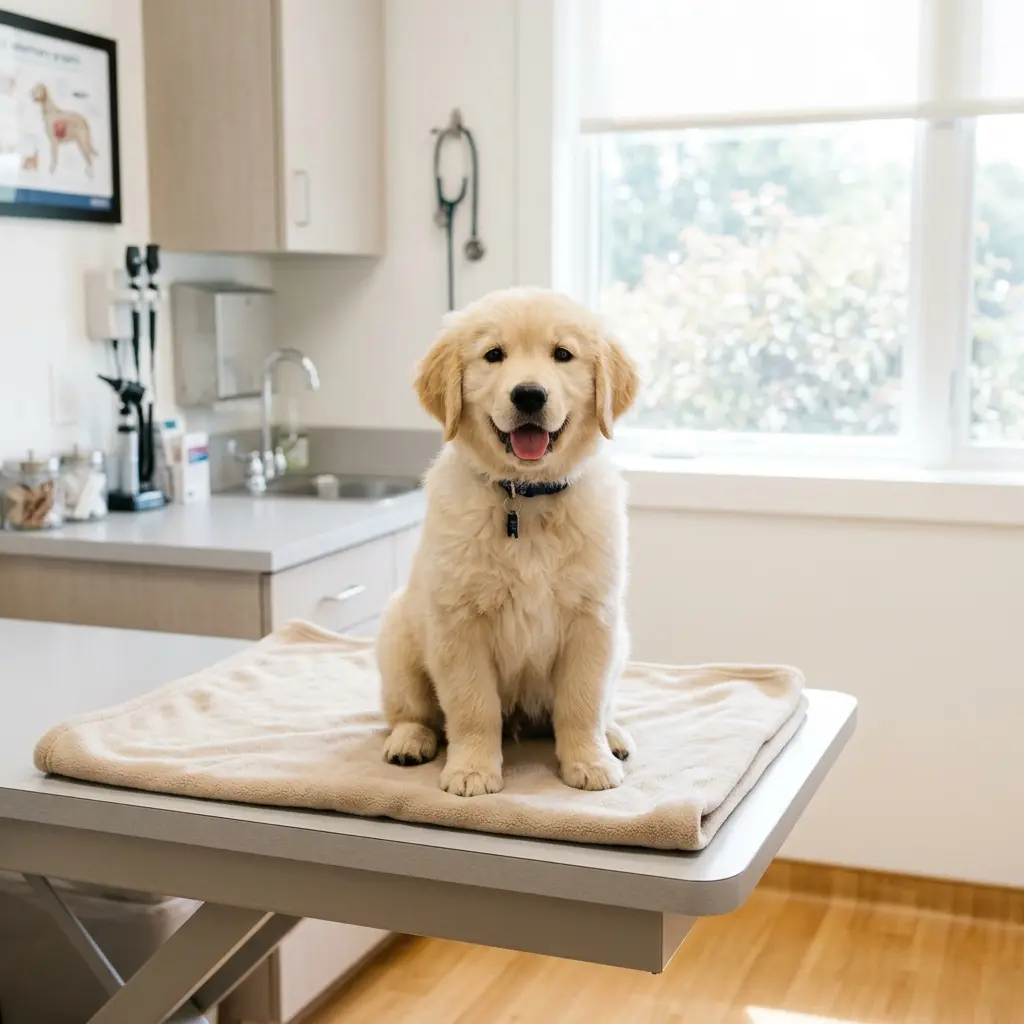
Bringing a new puppy home is an incredibly exciting milestone, but it also marks the start of a major healthcare responsibility. A puppy’s first year is their most rapid growth phase, setting the foundation for their lifetime health and behavior.
Why the First Year Matters So Much
Unlike adult dogs, puppies are biologically vulnerable during their first twelve months in ways that compound if missed. Their immune system is still being built through a staged vaccination series, their skeleton and joints are forming and sensitive to nutrition and exercise load, and their brain is going through a critical socialization window that closes permanently around four months of age. Decisions made: or skipped: during this period have effects that last the rest of the dog’s life: a missed vaccine dose can mean a preventable illness years later, and a poorly socialized puppy can become a fearful or reactive adult dog regardless of how much training is applied afterward.
To keep you organized, our AI pet companion Pati has put together a first-year puppy healthcare checklist covering the four pillars that matter most.
Step-by-Step Solution: The Essential Puppy Healthcare Checklist
To build a strong immune system and ensure balanced development, monitor these milestones during your puppy’s first year:
Step 1: Parasite Prevention & Core Vaccines (Weeks 6–16)
Puppy vaccinations typically start around 6 to 8 weeks of age. Your vet will schedule doses for Distemper, Parvovirus, Rabies, and Bordetella, usually spaced 3–4 weeks apart across 3 to 4 visits. Internal and external parasite treatments (deworming) must be completed before vaccines to ensure maximum efficacy, since intestinal parasites can suppress the immune response a vaccine is trying to build. If you’re raising a kitten alongside your puppy, our kitten vaccination schedule guide covers the parallel feline timeline so both pets stay on track together.
Step 2: The Socialization Window (Months 3–4)
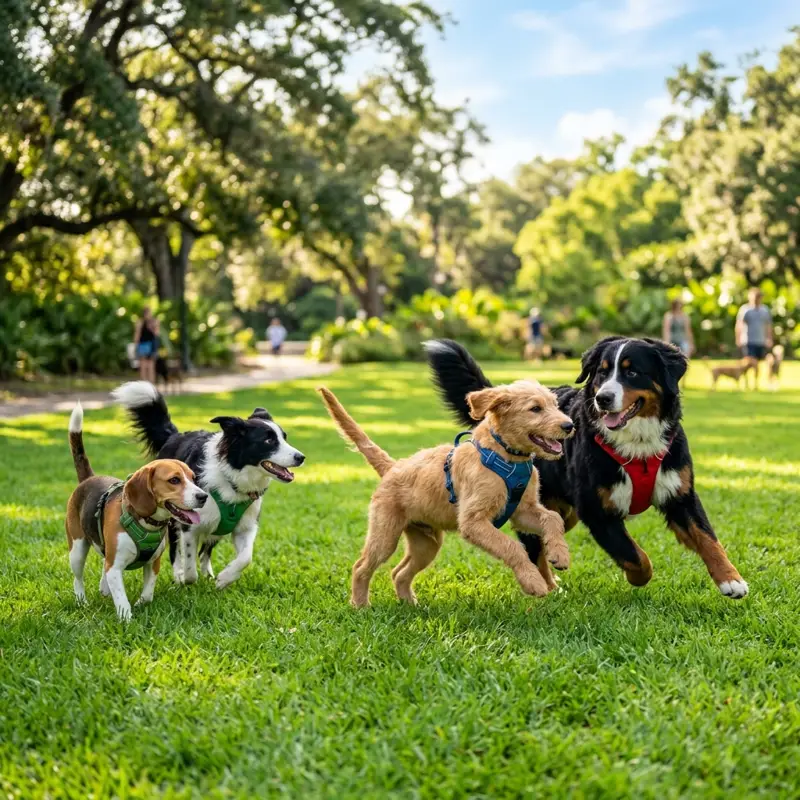
Exposing your puppy safely to new sounds, people, environments, and other animals is critical for preventing future fear-based aggression. The window for forming positive associations closes around 12–16 weeks, after which a dog’s responses to novelty become much harder to reshape. Keep interactions positive and controlled, aim for quality over quantity, ending each new experience before your puppy shows signs of being overwhelmed.
Step 3: Spaying and Neutering (Months 6–9)
Depending on your dog’s breed and size, your vet will recommend the optimal time for sterilization. Larger breeds often benefit from waiting closer to 9–12 months to allow growth plates to close, while smaller breeds can typically be done earlier. This procedure helps prevent future reproductive cancers and decreases roaming behaviors, and is also linked to lower rates of certain hormone-driven aggression.
Step 4: Transitioning to Adult Dog Food (Month 12)
Around their first birthday, most puppies complete their bone development and need to transition from high-calorie puppy food to adult kibble. Continuing puppy food too long past this point can contribute to excess weight gain, a habit worth avoiding early, since our guide on recognizing dog obesity signs shows how gradually those extra calories add up.
Puppy Care Best Practices
- Puppy Dental Care: Puppies chew constantly while teething. Provide safe chew toys and introduce tooth brushing early so they get used to oral hygiene before adult teeth fully come in around 6 months.
- Routine Body Scans: Check your puppy’s ears, paw pads, and skin weekly for redness, mites, or ticks to spot health issues early, while they’re still small and easy to fully examine.
Prevention: Staying Ahead of Common First-Year Pitfalls
The most common first-year mistake isn’t missing a single appointment, it’s losing track of which vaccine dose comes next as the weeks blur together. Keep a single running record (digital or paper) from day one rather than relying on memory or scattered vet receipts. The second most common pitfall is under-socializing out of caution: many new owners avoid public spaces until vaccinations are fully complete, but most veterinarians recommend carefully managed exposure (carried, not on the ground, in unvaccinated areas) starting as early as 7 weeks, since waiting until 16 weeks risks missing the socialization window entirely.
When to Seek More Help or Watch for Edge Cases
Rescue puppies with unknown vaccination history should be treated as unvaccinated and restarted on a full schedule under veterinary guidance. Puppies showing signs of fear or reactivity despite a normal socialization plan may need a more structured behavioral approach, see our guide on calming a fearful or aggressive dog for trainer-approved techniques. If your puppy seems restless or won’t settle at night despite a full day of activity, sleep-specific troubleshooting in our hyperactive dog sleep routine guide addresses that separately from general healthcare.
Quick Summary
- Vaccinations run from weeks 6–16, spaced roughly every 3–4 weeks, preceded by deworming.
- The socialization window closes around 12–16 weeks, don’t wait until vaccines are fully complete to begin safe exposure.
- Spay/neuter timing depends on breed and size, typically between 6–9 months.
- Switch to adult food around the 12-month mark to avoid excess-calorie weight gain.
- Introduce dental care early, before adult teeth fully come in.
- Keep a single running health record from day one to avoid missed or duplicated doses.
- Rescue puppies with unknown history should restart the full vaccination series.
Frequently Asked Questions
Can I take my puppy outside before vaccinations are complete?
Yes, with precautions. Most veterinarians recommend carrying your puppy (not letting paws touch the ground) in low-risk areas, or attending puppy socialization classes that screen for vaccinated, healthy dogs, starting as early as 7 weeks rather than waiting until the full series is finished.
What is the most commonly missed item on a puppy healthcare checklist?
Dental care is the most frequently overlooked item. Many owners focus entirely on vaccines and diet, only addressing teeth once an adult dog already shows signs of plaque buildup or bad breath.
How do I know if my puppy is past the ideal socialization window?
There’s no hard cutoff, but puppies older than 4–5 months who haven’t been exposed to a variety of people, sounds, and environments often show more caution or fear toward novelty. A trainer experienced in puppy behavior can assess and create a catch-up socialization plan.
Do small and large breed puppies need different healthcare timelines?
Vaccination schedules are largely the same across breeds, but spay/neuter timing and growth-related nutrition differ, large breeds typically benefit from delayed sterilization and breed-specific large-puppy food to support slower bone development.
What should I do if I miss a puppy vaccination appointment?
Contact your vet as soon as possible. A delay of a week or two rarely causes issues, but waiting significantly longer may require restarting part of the vaccine series, similar to the guidance for kittens.
Never Miss a Puppy Milestone with Pati!
Tired of missing critical vet appointments or forgetting vaccination dates? Download the Pati app. Simply enter your puppy’s birth date, and Pati’s smart schedule tracker will automatically build a digital vaccination card and send calendar alerts for upcoming boosters. Download Pati App Now and raise a happy, healthy dog!