How to Create a Bedtime Routine for Hyperactive Dogs That Won't Sleep
Published Date:
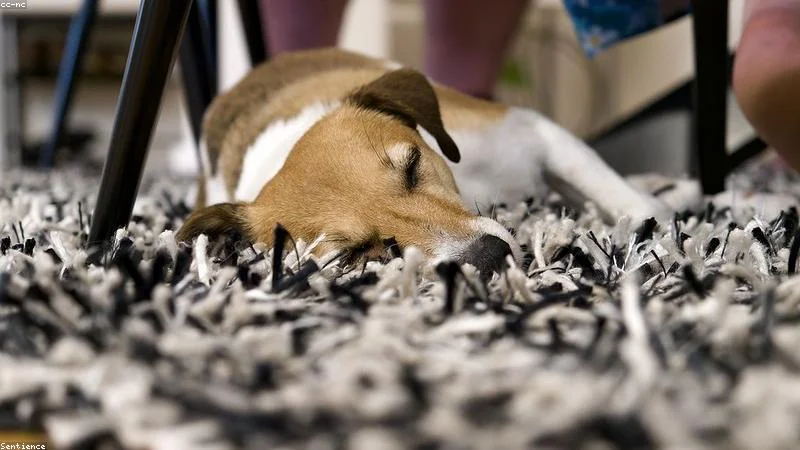
Just like toddlers, dogs require structured sleep schedules to stay healthy and balanced. However, puppy teething, hyperactivity, or anxiety can lead to restless nights, constant barking, or midnight play demands. Geared-up dogs who won’t sleep at night are usually suffering from accumulated energy, stress, or the lack of a soothing routine.
Why Dogs Struggle to Settle at Night
Dogs are creatures of habit, and when their internal clock doesn’t match a predictable wind-down pattern, their nervous system stays in an alert state long after the lights go out. Three root causes show up again and again in restless dogs: under-stimulation during the day, an environment that signals “play time” instead of “rest time,” and a body that is still digesting or processing leftover energy when bedtime arrives.
Puppies under six months old have an additional factor working against them, teething. Sore gums make lying still uncomfortable, so a puppy may pace, chew on bedding, or whine through the night purely from physical discomfort rather than excess energy. Anxious adult dogs, meanwhile, often struggle with nighttime separation from their owner even when sleeping in the same room, because darkness and quiet remove the visual reassurance they rely on during the day.
Step-by-Step Solution: Building a Real Sleep Routine
Here are the key steps to establish a solid sleep routine for your dog, structured by our AI pet companion Pati:
Step 1: Burn Off Energy Mentally and Physically
If your dog sleeps home alone all day, they will naturally look to vent their pent-up energy during the night. Take your dog for a long walk 2–3 hours before bedtime, or engage in mental stimulation games (scent mats, puzzle feeders). Mental exertion tires a dog out faster and more peacefully than pure physical exercise. 15 minutes of nose work can be as draining as a 45-minute walk.

Step 2: Time Your Evening Meals and Water Bowls
Feeding your dog right before bed reactivates their digestive system, charging up their energy. Late-night drinking also leads to middle-of-the-night potty demands. Serve dinner at least 3 hours before sleep. Remove the water bowl 1–2 hours before bed (except for young puppies or dogs managing kidney conditions), and take them out for a final potty run right before turning off the lights.
Step 3: Set Up a Secure, Designated Sleep Zone
Having a specific, comfortable place to sleep gives your dog a sense of safety and territory. Place a plush dog bed in a quiet, draft-free corner of your home, away from windows or hallways with foot traffic. For anxious puppies, placing a warm water bottle or a ticking clock (which mimics their mother’s heartbeat) near their bed does wonders to lower cortisol.
Step 4: Create Sleep Cues and Bedtime Rituals
Dogs thrive on consistency. Dimming the lights at the same hour every night, turning down the TV volume, and using a specific command like “go to bed” tells your dog that it is time to wind down. Repeat the same 10–15 minute sequence nightly, potty break, water removal, settle command, so your dog’s body begins anticipating sleep before you even turn off the lights.
Prevention: Keeping the Routine Sustainable
Once a sleep routine starts working, the biggest risk is inconsistency. Weekend schedule shifts, late-night guests, or skipping the evening walk “just this once” can undo weeks of progress, since dogs read routine breaks as a return to unpredictability. Keep wind-down timing within a 30-minute window every night, even on weekends, and brief any house guests on not engaging your dog in play once the bedtime ritual has started. If your dog also shows daytime anxiety or reactivity, addressing those triggers, see our guide on calming an aggressive or fearful dog, often resolves nighttime restlessness as a side effect, since the same stress hormones disrupt both.
When to Seek More Help or Watch for Edge Cases
A puppy younger than 16 weeks waking every 2–3 hours to relieve themselves is normal bladder development, not a behavioral issue, patience and a consistent potty schedule (tracked alongside their first-year healthcare milestones) will resolve it as their bladder matures. If an adult dog suddenly develops restless nights after previously sleeping well, rule out physical causes first: joint pain, urinary tract infections, or early cognitive decline in senior dogs can all present as nighttime pacing. Dogs carrying excess weight also sleep less comfortably due to joint strain, our guide to recognizing dog obesity signs can help you check whether weight is a contributing factor.
Quick Summary
- Tire them out mentally, not just physically, scent work and puzzle feeders drain energy more efficiently than walks alone.
- Stop food 3 hours and water 1–2 hours before bed to prevent digestive activity and middle-of-the-night potty demands.
- Give your dog a dedicated, draft-free sleep zone that signals safety and territory.
- Repeat the same wind-down ritual nightly so your dog’s body learns to anticipate rest.
- Keep the routine consistent on weekends too, inconsistency is the most common reason a working routine breaks down.
- Rule out physical causes like teething, joint pain, or UTIs before assuming a behavioral fix is needed.
- Address daytime anxiety if nighttime restlessness persists despite a solid routine.
Frequently Asked Questions
Why does my dog suddenly wake up barking in the middle of the night?
Sudden nighttime barking is often triggered by external noises (other animals, delivery trucks) that are more noticeable in a quiet house, or by anxiety related to being left alone in the dark. If it’s a new behavior in an older dog, also rule out pain or cognitive changes with your veterinarian.
How long does it take to establish a new sleep routine for a dog?
Most dogs adapt to a consistent bedtime routine within 1–2 weeks, provided the schedule is followed every night without exception. Puppies and highly anxious dogs may take 3–4 weeks to fully settle.
Should I let my puppy sleep in my bed to calm them down?
It can work short-term, but it makes it harder to teach independent sleep later. A crate or bed placed near yours offers similar comfort while keeping boundaries clear for future training.
Is it normal for a hyperactive dog to need less sleep than other dogs?
No: adult dogs typically need 12–14 hours of sleep daily regardless of energy level. A dog that consistently sleeps far less is usually under-exercised, overstimulated, or anxious rather than naturally needing less rest.
Can diet affect my dog’s ability to sleep at night?
Yes. High-sugar or high-carbohydrate treats late in the evening can cause energy spikes, and dehydration or overfeeding close to bedtime disrupts digestion. Stick to your dog’s regular food schedule and avoid rich treats after dinner.
Optimize Your Dog’s Sleep Quality with Pati!
Struggling to track your puppy’s sleep-wake cycles? Download the Pati app. Use Pati’s behavioral logging tool to map sleep trends, set routines, and access our library of relaxing sound therapies designed specifically to calm hyperactive dogs. Download Pati App Now and enjoy restful nights once again!