How to Detect Dog Obesity Signs and Measure Body Condition Score
Published Date:
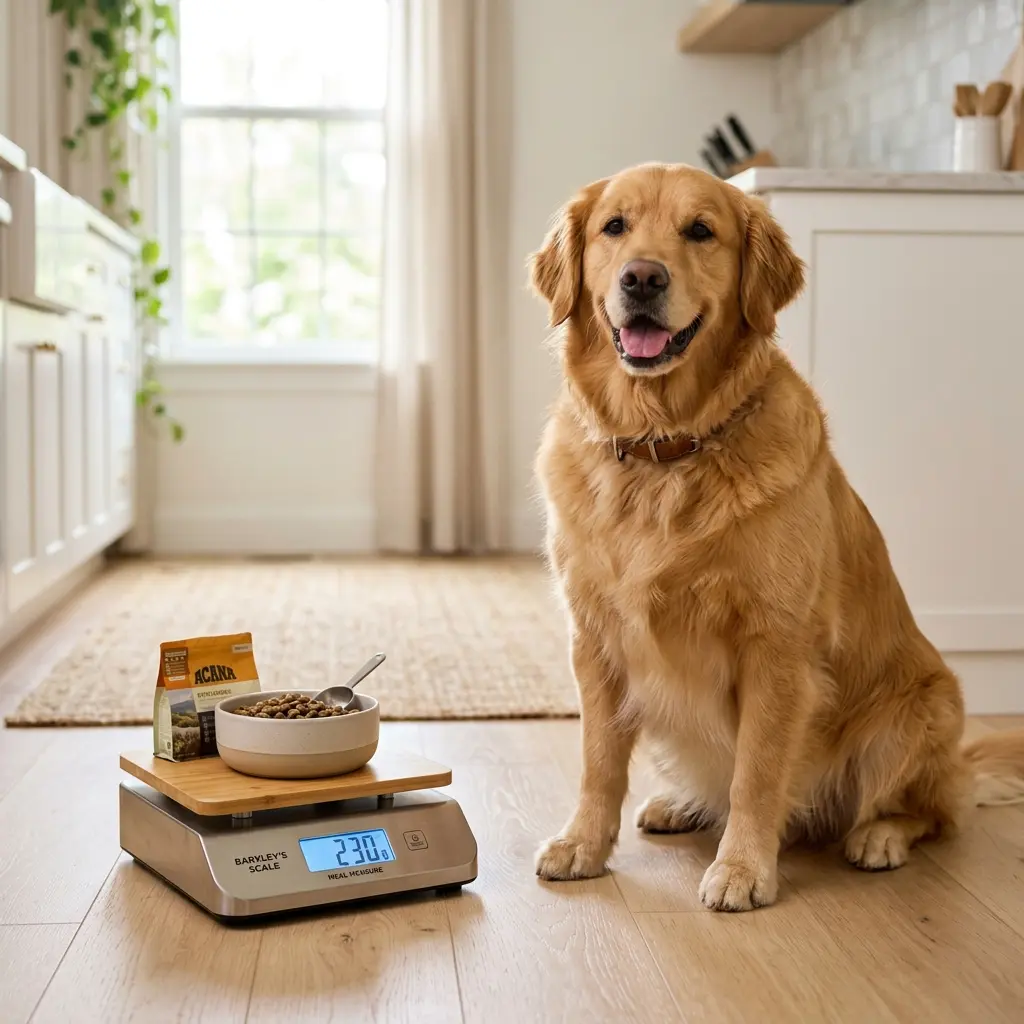
As pet parents, keeping our canine companions healthy and happy is our highest priority. However, we often show our love with extra treats or table scraps, which can unintentionally lead to dog obesity. Excess weight places huge strain on a dog’s joints, heart, and respiratory system.
Why Dog Obesity Sneaks Up on Owners
Weight gain in dogs is gradual, which is exactly why it’s so easy to miss. A dog doesn’t go from lean to overweight overnight, it happens in small increments over months, as a few extra treats here and a slightly larger dinner portion there compound into a body shape that slowly stops looking abnormal to the owner who sees the dog every day. Studies on companion animals consistently show that owners underestimate their pet’s weight category, often describing an overweight dog as “a little chunky” or simply “happy and well-fed.”
The health consequences are far from cosmetic. Extra body fat increases pressure on joints, accelerating arthritis and reducing mobility, which in turn reduces exercise, creating a vicious cycle. Obesity also strains the cardiovascular and respiratory systems, raises the risk of diabetes, and can shorten a dog’s lifespan by close to two years according to long-term feeding studies. Recognizing the signs early, before weight loss becomes a major medical intervention, is the single most effective thing an owner can do for their dog’s long-term health.
Step-by-Step Solution: Measuring the Body Condition Score (BCS)
How can you tell if your dog is at a healthy weight? Our AI pet care assistant Pati outlines the essentials of monitoring dog weight and adjusting food portions. Veterinarians use a visual and hands-on system called the Body Condition Score (BCS) to evaluate a dog’s weight. You can perform this test at home in three simple steps:
Step 1: The Rib Test
Run your hands gently along your dog’s chest. You should easily feel their ribs under a thin layer of fat without pressing hard, similar to feeling the back of your hand with light pressure. If the ribs are buried under thick tissue and you need to press firmly to find them, your dog is overweight.
Step 2: The Waist Check
Look down at your dog from above. You should see a clear, defined curve inward behind the ribcage (an hourglass shape). If their sides are straight or bulge outward with no visible waistline, they are carrying excess fat.
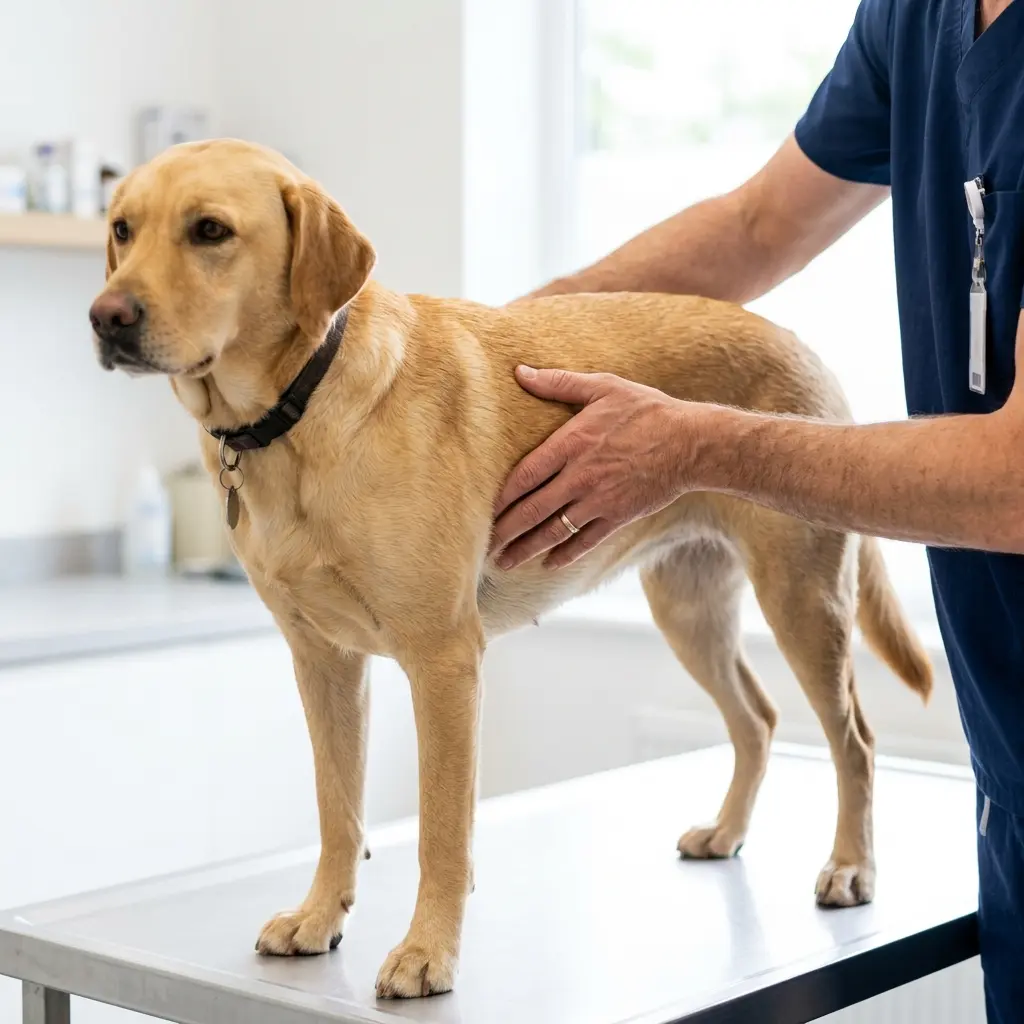
Step 3: The Tummy Tuck
Stand to the side and check your dog’s profile. Their abdomen should slope upward from the end of the ribcage toward the hindquarters. A flat or saggy underside, where the belly hangs level with or below the ribcage, points to obesity.
Step 4: Adjusting Your Dog’s Food Portions
If your dog shows signs of obesity, you must manage their diet carefully and gradually rather than cutting food drastically overnight, which can cause nutritional deficiencies and digestive upset:
- Measure by Weight, Not Volume: Always weigh dry kibble using a digital kitchen scale instead of using measuring cups, which can lead to overfeeding by as much as 20% depending on how the kibble settles.
- Trim the Treats: Treats should never account for more than 10% of your dog’s daily caloric intake. Reduce commercial snacks or swap them for fresh carrot pieces or green beans, which are low-calorie and satisfying to chew.
- Increase Physical Activity: Gradually add 10 to 15 minutes of brisk walking or interactive fetching to their daily routine, building up slowly to avoid joint strain on a dog that’s already carrying extra weight.
Prevention: Keeping Weight Off Long-Term
Once your dog reaches a healthy BCS, maintaining it requires the same vigilance as losing it, re-weigh your dog monthly and repeat the three-step BCS check, since metabolism naturally slows with age and a portion size that worked at two years old may be too much at six. If you have a multi-pet household, feed dogs separately to prevent food-stealing from slower eaters, and keep a written log of treats given by every family member, since “a little bit each” from several people adds up fast.
When to Seek More Help or Watch for Edge Cases
Sudden, unexplained weight gain despite no change in diet can signal an underlying medical issue such as hypothyroidism or Cushing’s disease, and warrants a veterinary blood panel rather than a stricter diet alone. Senior dogs and dogs recovering from surgery often need a customized weight plan, since reduced mobility changes their caloric needs independently of overall health. If your dog is also showing behavioral changes alongside weight gain, increased lethargy, reluctance to play, it’s worth reviewing whether overall activity and stimulation levels have dropped, which our guide on building a healthy sleep routine for dogs and calming an anxious or aggressive dog can help address together.
Quick Summary
- Use the three-point BCS test, ribs, waist, and tummy tuck, monthly to track your dog’s condition.
- Weight gain is gradual and easy to miss day-to-day; regular checks catch it before it becomes severe.
- Always weigh kibble, don’t eyeball it, measuring cups commonly overestimate portions.
- Cap treats at 10% of daily calories and choose low-calorie swaps like vegetables.
- Increase exercise gradually to avoid joint strain on an already overweight dog.
- Re-check BCS monthly, since caloric needs change with age and activity level.
- Sudden weight gain without diet changes should prompt a veterinary checkup for underlying conditions.
Frequently Asked Questions
How can I tell my dog’s BCS without a vet visit?
The three-step home test: feeling for ribs, checking the waist from above, and viewing the abdominal tuck from the side, gives a reliable at-home estimate. For a precise numerical score (typically on a 1–9 scale), a veterinary exam is more accurate.
How much weight should my dog lose per week?
A safe rate of weight loss for dogs is roughly 1–2% of their current body weight per week. Faster loss can lead to muscle wasting and nutritional deficiencies, so any aggressive diet change should be supervised by a veterinarian.
Are certain dog breeds more prone to obesity?
Yes. Breeds like Labrador Retrievers, Beagles, Pugs, and Dachshunds have a higher genetic predisposition to weight gain, partly due to slower metabolisms and, in Labradors specifically, a documented gene variant linked to food-seeking behavior.
Can spaying or neutering cause weight gain in dogs?
Spaying and neutering lower a dog’s metabolic rate by roughly 20–30%, which means the same food portion that maintained weight before surgery may now cause gradual gain. Portions should typically be reduced after the procedure to compensate.
Is it safe to put an overweight senior dog on a diet?
Yes, but it should be done more conservatively than with a younger dog, and ideally under veterinary supervision, since senior dogs are more susceptible to muscle loss and may have underlying conditions that affect how quickly they should lose weight.
Keep Your Dog in Peak Shape with Pati!
Struggling to calculate the correct daily calorie intake or manage weight loss? Download the Pati app. Use Pati’s smart food calculator to input your dog’s age, breed, activity level, and food brand to generate a customized portion plan. Download Pati App Now and help your furry friend stay fit!