Calming an Aggressive Dog: Signs of Fear-Based Aggression and Trainer Tips
Published Date:
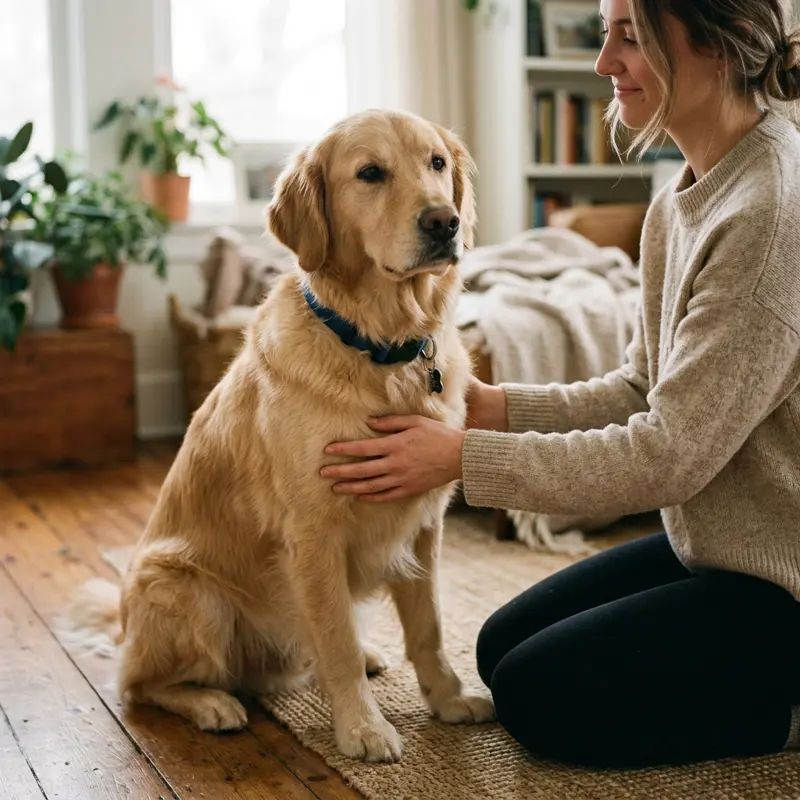
Dealing with dog aggression can be stressful and frightening for any pet owner. Many people assume that an aggressive dog is simply “bad” or dominant, but canine behaviorists agree that the vast majority of dog aggression is actually rooted in fear and anxiety.
Why “Dominance” Is the Wrong Framework
For decades, popular dog training advice framed aggression as a battle for dominance: a dog growling or snapping was seen as challenging its owner’s authority. Modern behavioral science has largely abandoned this model. The dominance theory originated from outdated studies on captive, unrelated wolves and doesn’t reflect how aggression actually develops in domestic dogs living with families. In reality, the overwhelming majority of aggressive displays are defensive: a dog growls, snaps, or bites because it perceives a real or imagined threat and believes it has no better option for keeping itself safe.
Understanding the difference between dominant aggression and fear-based aggression is critical for keeping everyone safe and helping your dog heal, because the two require almost opposite responses. Confronting a fearful dog with more force or punishment doesn’t establish “leadership,” it confirms to the dog that its fear was justified.
Step-by-Step Solution: Recognizing Fear-Based Aggression
Here is the guide to understanding and calming an aggressive dog, structured by our AI pet care assistant Pati. A dog displaying fear aggression reacts because they believe they are in danger and have no other choice but to defend themselves. Watch for these subtle warning signs, which usually appear well before a growl or snap:
- Cowering, flattening ears, or tucking the tail tightly between the legs.
- Growling, baring teeth, or snapping when cornered.
- Licking lips, yawning, or turning their head away to avoid eye contact (common stress signals known collectively as “calming signals”).
- Dilated pupils or displaying the “whale eye” (showing the white part of their eyes).
Recognizing these early signals, before the growl, gives you the chance to remove your dog from the stressful situation before the behavior escalates to a bite.
Step 1: Identify and Avoid Triggers
The first step in any behavior modification plan is managing your dog’s environment. Pay close attention to what causes the aggressive reaction. Is it strangers, other dogs, loud noises, or specific objects? Keep your dog away from these triggers in early training stages to prevent stress buildup, since repeated exposure without a management plan tends to make the reaction stronger over time, not weaker.
Step 2: Never Punish Aggression
Punishing a dog for growling or snapping is highly dangerous. Growling is a dog’s warning system; if you train them not to growl, they will bite without warning. Never yell, hit, or use shock collars. Punishing fear only makes the dog more afraid, which increases the likelihood of future aggression, because it removes the warning signal without addressing the underlying fear that caused it.
Step 3: Use Desensitization and Counter-Conditioning
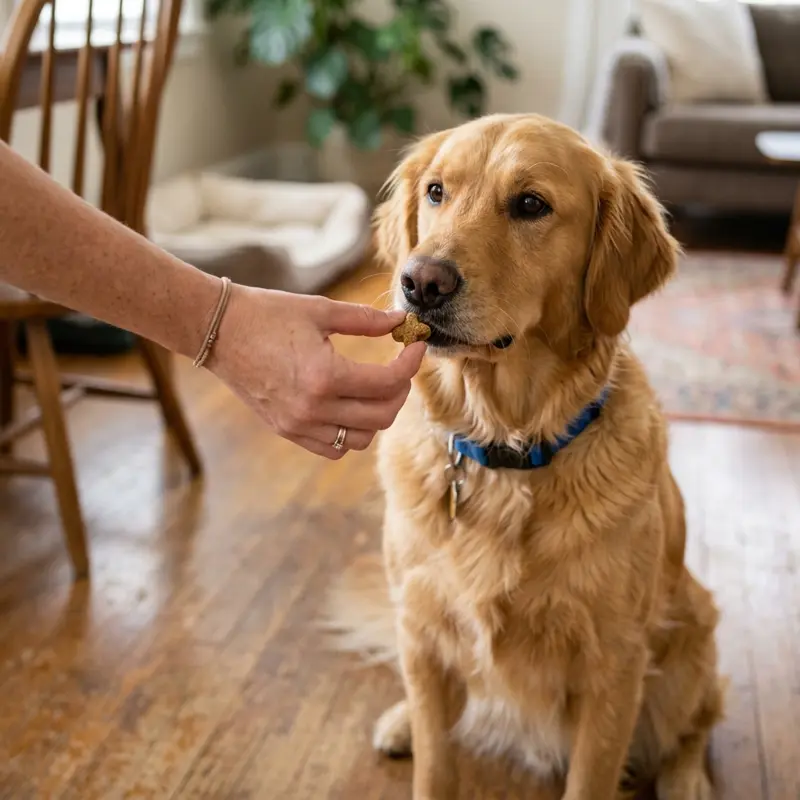
This training technique changes your dog’s emotional response to their trigger. From a safe distance where your dog remains calm, known as their “threshold distance,” show them the trigger and immediately feed them a high-value treat. Over time, your dog will associate the trigger with positive rewards instead of danger. Progress should be slow and gradual; if your dog reacts at all, you’ve moved too close too fast and need to increase distance again.
Step 4: Create a Safe Haven
Every dog needs a secure space where they can retreat when feeling overwhelmed. Set up a comfortable crate or a quiet room with their favorite bed and toys. Instruct family members and guests to leave the dog alone when they are in their safe space, since interrupting a dog’s retreat undermines the entire purpose of having one.
Prevention: Reducing Triggers Long-Term
Beyond individual training sessions, the dogs who improve fastest are the ones whose overall stress load is managed holistically. A dog who isn’t sleeping well, gets insufficient mental stimulation, or carries excess physical discomfort has less capacity to cope with stressful triggers, addressing a poor sleep routine or unmanaged weight and joint pain often measurably improves a dog’s baseline tolerance for stress, even before targeted desensitization work begins.
When to Seek More Help or Watch for Edge Cases
If your dog has already bitten someone, redirected aggression onto a family member, or shows aggression that escalates rapidly without clear warning signs, work with a certified veterinary behaviorist or a trainer experienced in aggression cases rather than attempting desensitization alone, these cases carry real safety risk and benefit from professional guidance tailored to your specific dog. Sudden-onset aggression in a previously calm adult dog should also prompt a veterinary exam, since pain from an injury, dental disease, or an underlying medical condition can manifest as irritability or defensive aggression that resolves once the medical issue is treated.
Quick Summary
- Most dog aggression is fear-based, not a dominance challenge, treat it as a safety response, not defiance.
- Learn the early warning signs, lip licking, whale eye, ear position, before a growl or snap occurs.
- Identify and manage triggers rather than forcing repeated exposure.
- Never punish growling: it removes the warning system without resolving the underlying fear.
- Use desensitization at a safe distance, pairing the trigger with high-value rewards.
- Provide an undisturbed safe space your dog can retreat to.
- Address overall stress load, sleep, weight, and pain all affect a dog’s coping capacity.
Frequently Asked Questions
Can fear-based aggression in dogs be fully cured?
Many dogs show significant improvement with consistent desensitization and counter-conditioning, though “cured” isn’t always the right framework, the goal is typically to manage triggers and raise the dog’s threshold so reactions become rare and mild rather than eliminating the underlying temperament entirely.
Is it true that some dog breeds are naturally more aggressive?
Breed alone is a poor predictor of aggression. Individual temperament, early socialization, and life experience play a far larger role than breed, though some breeds were historically selected for traits like guarding instinct that can interact with fear if not properly socialized.
How do I know if my dog needs a professional trainer versus working on this myself?
If your dog has bitten, shows rapidly escalating reactions, or you feel unsafe at any point during training, involve a certified professional immediately. Mild, predictable triggers with clear early warning signs are often manageable with consistent owner-led desensitization.
Why does my dog growl at family members but not strangers?
This can happen when a dog associates certain people with specific stressful experiences, for example, a family member who handles nail trims or administers medication. It can also relate to resource guarding around specific individuals rather than general fear.
Can a dog’s diet or health affect aggressive behavior?
Yes. Pain, thyroid imbalances, and certain neurological conditions can all contribute to irritability or sudden aggression. Any new or escalating aggressive behavior warrants a veterinary checkup to rule out a medical cause before assuming it’s purely behavioral.
Track Behavior and Get Training Tips with Pati!
Need help managing your dog’s training routine or tracking behavioral issues? Download the Pati app. Use Pati’s behavioral logging features to track aggression triggers and log patterns, and get instant guidance from our AI pet assistant. Download Pati App Now and build a harmonious relationship with your pet!