Cat Separation Anxiety: Lonely Signs and How to Relieve It
Published Date:
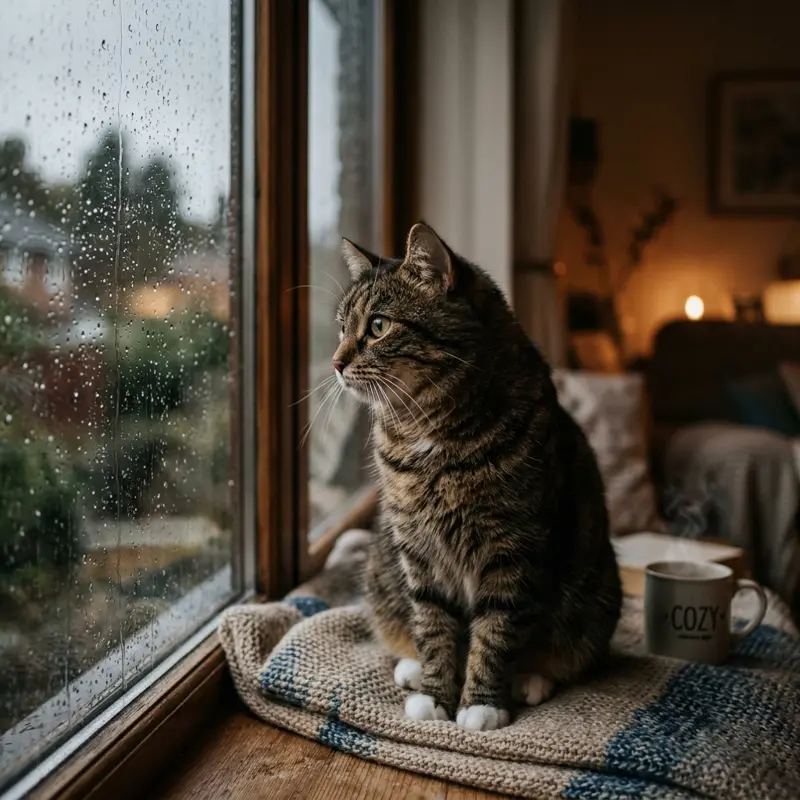
Contrary to the popular myth that cats are solitary, aloof animals who prefer to be left alone, felines form deep emotional attachments to their human families. When left alone for extended periods, many cats experience significant stress, resulting in separation anxiety. Because cats express distress quietly, these signs are often mistaken for simple bad behavior.
Why Cat Separation Anxiety Is Often Misread
Dogs vocalize their distress loudly and visibly, barking, scratching at doors, destroying furniture in plain view. Cats, by contrast, are subtler creatures whose anxiety shows up as behaviors owners interpret as spite, laziness, or “just being a cat.” This mismatch between how cats actually communicate stress and how owners expect to see it means separation anxiety in cats frequently goes undiagnosed for months or years, even as the underlying stress continues to affect the cat’s wellbeing and the owner’s furniture.
The root cause is genuine attachment. Research on feline-human bonding shows that cats form attachment styles toward their owners similar in structure to those seen in dogs and even human infants, meaning a cat left alone for long stretches isn’t simply bored, but can be experiencing real separation distress rooted in that bond.
Step-by-Step Solution: Recognizing the Signs
How do you know if your feline is lonely and anxious? Our AI pet care assistant Pati breaks down the top signs of feline separation anxiety, since cats don’t bark, but they show their anxiety through subtle, often destructive, behavioral changes:
Sign 1: Inappropriate Urination
If your cat urinates on your bed, couch, or clothes while you are away, it isn’t out of spite. They are mixing their scent with yours in a subconscious effort to feel safe and comforted, a behavior rooted in scent-marking instinct rather than punishment-worthy misbehavior.
Sign 2: Obsessive Over-Grooming
Licking themselves excessively, sometimes resulting in bald patches on their belly or legs, is a self-soothing mechanism triggered by high cortisol levels. This is medically known as psychogenic alopecia and can closely resemble a skin condition, so a vet visit to rule out allergies is worthwhile before assuming it’s purely behavioral.
Sign 3: Pre-Departure Clinginess
If your cat begins to meow loudly, block the doorway, or pace nervously as soon as they see you grab your keys, they are anticipating isolation. Cats are highly attuned to departure cues and can develop anxiety around the signals of leaving, not just the leaving itself.
Sign 4: Destructive Scratching
Clawing at door frames or knocking items off tables while you are away is a coping mechanism for built-up stress and boredom, distinct from normal scratching that maintains claw health.
Step-by-Step Solution: How to Relieve Your Cat’s Separation Anxiety
You can reduce your cat’s stress and make your departures smoother with these steps:
Step 1: Interactive Environmental Enrichment
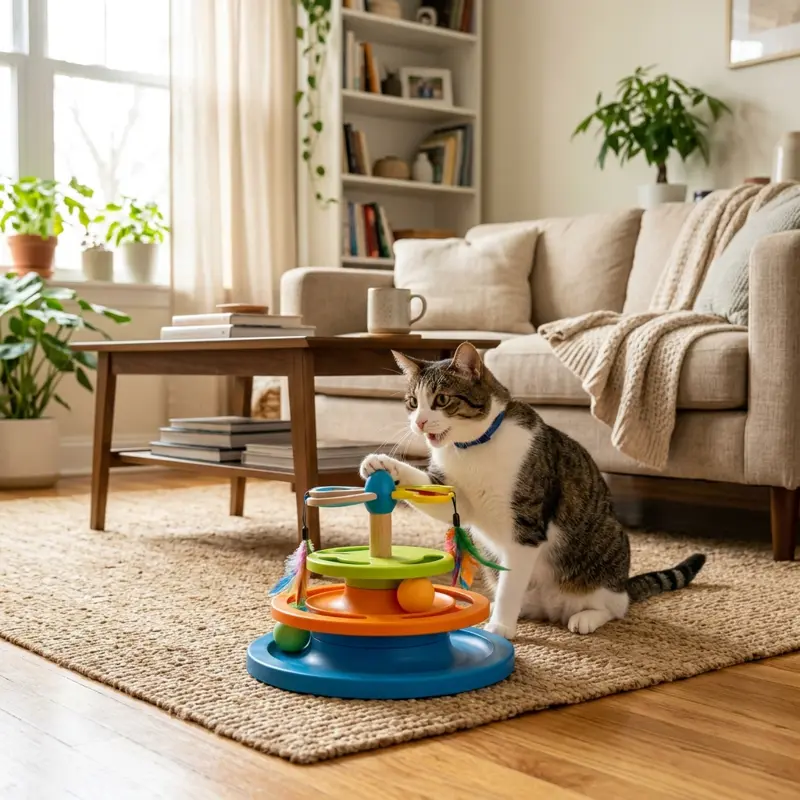
Leave food puzzle toys or automated feather wands scattered around the home. Setting up a high perch or window hammock allows them to watch birds, keeping their mind occupied for the hours you’re away rather than fixated on your absence.
Step 2: Desensitize Your Exit Cues
Pick up your keys, put on your shoes, or grab your bag throughout the day without actually leaving. This breaks the link between these actions and your departure, reducing pre-exit panic over the course of 1–2 weeks of repetition.
Step 3: Auditory Stimulation
Leave a TV playing wildlife videos, or play soft classical music calibrated for felines to mask outside noises that could startle them, sudden street or hallway sounds are a common trigger for anxious pacing in an otherwise quiet home.
Prevention: Building Long-Term Resilience
A cat that has learned to self-soothe during short, low-stakes absences is far more resilient than one whose first experience of being alone was an 8-hour workday. If you’re bringing home a new cat or kitten, practice short departures of 10–15 minutes from day one, gradually extending the duration over several weeks. This graduated exposure builds the same coping skills as desensitization training and prevents anxiety from forming in the first place rather than treating it after the fact.
When to Seek More Help or Watch for Edge Cases
If urination or over-grooming persists despite consistent enrichment and desensitization over several weeks, schedule a veterinary visit to rule out medical causes, urinary tract infections and skin allergies can produce nearly identical symptoms to anxiety-driven behavior, and treating the wrong cause wastes time while your cat continues to suffer. Multi-cat households sometimes mask one cat’s anxiety behind another’s, so if you have more than one cat, consider a short period of separate confinement to identify which cat is responsible for a specific behavior. If your cat’s anxiety extends into oral behaviors like excessive chewing, our cat dental care guide covers how to distinguish stress-related chewing from genuine dental discomfort, since both can look similar at first glance.
Quick Summary
- Cats form real attachment bonds, separation anxiety is genuine distress, not spite.
- Watch for the four key signs: inappropriate urination, over-grooming, pre-departure clinginess, and destructive scratching.
- Enrich the environment with puzzle toys, perches, and engaging sounds to occupy your cat during absences.
- Desensitize exit cues by practicing keys-and-shoes routines without leaving.
- Build resilience early with short, gradually extended practice departures.
- Rule out medical causes like UTIs or skin allergies before assuming the behavior is purely anxiety-driven.
- In multi-cat homes, isolate cats briefly to identify which one is responsible for a specific behavior.
Frequently Asked Questions
How long can a cat safely be left alone?
Healthy adult cats can typically be left alone for 8–10 hours with proper food, water, and litter access, though cats prone to separation anxiety benefit from a midday check-in or automated enrichment to break up the isolation.
Do cats get separation anxiety from other pets, not just humans?
Yes. Cats can form strong bonds with companion animals, including other cats and dogs, and may show separation-anxiety behaviors when a bonded companion is removed from the household, even temporarily.
Is getting a second cat a good solution for separation anxiety?
It can help in some cases, but it isn’t guaranteed, a poorly matched introduction can add stress rather than relieve it. Gradual, supervised introductions and a genuine personality match between the cats matter more than simply adding a second pet.
Can separation anxiety in cats be treated with medication?
In moderate to severe cases, veterinarians may prescribe anti-anxiety medication alongside behavioral modification, especially when environmental enrichment alone hasn’t resolved the symptoms after several weeks of consistent effort.
What’s the difference between separation anxiety and normal independence in cats?
Independent cats may show mild indifference to departures but don’t display destructive or self-harming behaviors. True separation anxiety involves visible distress signs, over-grooming, inappropriate elimination, or vocalization, specifically tied to being left alone.
Monitor Your Cat’s Emotional Wellness with Pati!
Struggling to decode your cat’s behavioral changes or stop destructive scratching? Download the Pati app. Use Pati’s AI behavioral tracker to document their symptoms, access customized environmental layout plans, and consult our veterinary advice library anytime. Download Pati App Now and restore your cat’s peace of mind!