Cat Dental Care 101: How to Brush Cat Teeth and Prevent Periodontal Disease
Published Date:
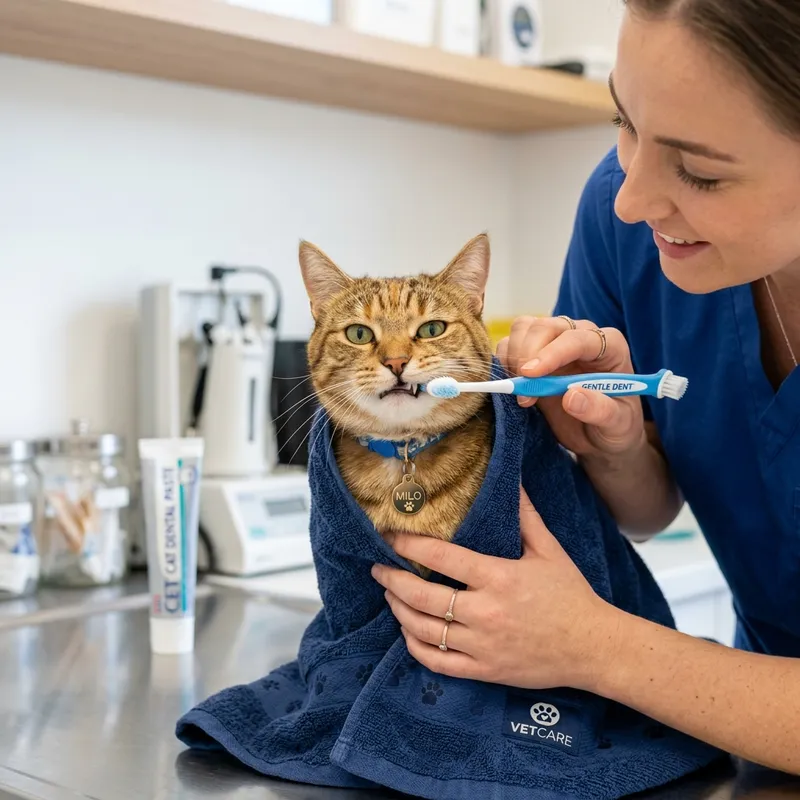
Many cat owners focus on nutrition and grooming, but ignore one critical area of feline health: dental care. The truth is, periodontal disease affects roughly 70% of cats by the age of three. If left untreated, plaque and tartar buildup can lead to severe pain, tooth loss, and even systemic infections affecting their heart and kidneys.
Why Cat Dental Disease Goes Unnoticed for So Long
Cats are masters at hiding pain, a survival instinct inherited from their wild ancestors who couldn’t afford to look vulnerable to predators or rivals. This means a cat with significant dental disease often continues eating, grooming, and behaving normally right up until the discomfort becomes severe, owners frequently report no symptoms at all until a routine vet visit reveals advanced tartar buildup or even tooth resorption. Left unaddressed, the bacteria from periodontal disease don’t stay contained to the mouth; they can enter the bloodstream and contribute to inflammation in the heart, liver, and kidneys, making dental neglect a whole-body health issue rather than a cosmetic one.
Preventing dental issues is much easier than treating them. Our AI pet health assistant Pati shares the ultimate guide to keeping your cat’s mouth healthy.
Step-by-Step Solution: How to Brush Cat Teeth
Brushing is the gold standard for cat dental care, since no treat or water additive removes plaque as effectively as direct mechanical action. Here is how to introduce it without stress, ideally starting when your cat is young but workable at any age with patience:
Step 1: Choose the Right Paste
Never use human toothpaste, as it contains toxic ingredients like fluoride and foaming agents that are harmful if swallowed, and cats can’t spit. Buy poultry or fish-flavored pet toothpaste, which is designed to be safely ingested and appeals to a cat’s taste preferences.
Step 2: Start with Your Finger
Let your cat lick the toothpaste off your finger over several sessions before introducing any tool. Then, gently slide your finger along their gums to get them used to the contact, keeping each session under a minute so it stays a positive, low-stress experience.
Step 3: Introduce a Pet Toothbrush
Once your cat tolerates finger contact, use a finger brush or a small, soft-bristled cat toothbrush. Angle it at 45 degrees toward the gumline, which is where plaque accumulates fastest and where brushing has the most impact.
Step 4: Focus on the Outside
Focus on the outside surfaces of the upper teeth first, since cats naturally resist having the inside of their mouth touched and the outer surfaces account for the majority of visible plaque. You only need to brush for 30 seconds to a minute in total, consistency several times a week matters more than duration.

Alternative Feline Dental Care Solutions
If your cat refuses to cooperate with a toothbrush, don’t worry. There are other effective methods, though none fully replaces brushing for cats that can tolerate it:
- Dental Treats & Toys: Specially formulated crunchy treats and chew toys physically scrape away plaque as the cat chews, though their effect is generally milder than brushing and works best as a supplement.
- Water Additives: Odorless, tasteless additives can be added to their water bowl to help target bacteria, offering a low-effort option for cats that resist any form of handling.
- Annual Vet Cleanings: Schedule a professional veterinary dental cleaning once a year to address deep tartar under the gumline that no at-home method can reach, since anesthesia is required to thoroughly clean below the gumline safely.
Prevention: Catching Problems Before They’re Painful
Beyond active brushing, a monthly at-home dental check takes less than a minute and catches problems early: lift your cat’s lip and look for red, swollen gums, brown tartar buildup along the gumline, or visibly broken teeth. Bad breath that smells distinctly foul (rather than mild “cat breath”) is one of the earliest and most reliable signs that periodontal disease is developing, and it’s worth taking seriously rather than masking with treats or additives.
Tooth resorption deserves special mention, since it’s one of the most common, and most painful, dental conditions in cats, affecting an estimated 20–60% of adult cats depending on age. Unlike ordinary cavities, resorption occurs when the tooth’s own structure breaks down from the inside, often starting below the gumline where it’s invisible during a casual check. Because it isn’t always preventable through brushing alone, annual veterinary exams that include a full oral assessment are the only reliable way to catch it before it progresses to a painful stage requiring extraction.
When to Seek More Help or Watch for Edge Cases
If your cat suddenly stops eating hard kibble, drops food while chewing, or paws at their mouth, these are signs of active dental pain that need a veterinary exam rather than home care alone, by the time eating behavior changes, the underlying disease is often advanced. Cats with chronic conditions like stomatitis (severe gum inflammation) may need a tailored treatment plan beyond standard brushing. Since dental discomfort can also affect hydration and overall wellness, our cat hydration and kidney health guide is worth reviewing alongside dental care, as cats in pain often reduce both food and water intake together.
Quick Summary
- 70% of cats show dental disease by age 3, prevention is far easier than treatment.
- Brushing is the gold standard, introduced gradually with finger contact before a toothbrush.
- Never use human toothpaste: it contains ingredients unsafe for cats to swallow.
- Focus on outer tooth surfaces at a 45-degree angle near the gumline.
- Dental treats and water additives help but don’t replace brushing.
- Schedule annual professional cleanings to address tartar below the gumline.
- Sudden eating changes or pawing at the mouth signal active pain and need a vet visit.
Frequently Asked Questions
How often should I brush my cat’s teeth?
Daily brushing is ideal, but brushing 3–4 times a week still provides significant plaque control. Even occasional brushing combined with dental treats is far better for long-term oral health than no dental care at all.
What are the first signs of dental disease in cats?
Bad breath, red or swollen gums, visible brown tartar along the gumline, and slight blood on chew toys are typically the earliest visible signs, often appearing well before a cat shows any behavioral changes.
Is anesthesia really necessary for a professional cat teeth cleaning?
Yes. Thoroughly cleaning below the gumline, where the most damaging tartar accumulates, requires a still, cooperative patient and dental X-rays that simply aren’t possible in an awake cat. Anesthesia-free cleanings only address the visible tooth surface and miss the disease underneath.
Can diet alone prevent dental disease in cats?
Dry kibble provides some mechanical abrasion compared to wet food, but diet alone is not sufficient to prevent periodontal disease in most cats. Brushing and regular veterinary checks remain necessary regardless of food type.
At what age should I start brushing my kitten’s teeth?
You can begin gentle finger desensitization as early as 8–12 weeks, well before adult teeth fully come in around 6 months. Starting young makes lifelong dental care far easier, since the cat grows up associating mouth handling with a normal, low-stress routine.
Track Your Pet’s Health Checklist with Pati!
Struggling to keep track of your cat’s grooming, vaccinations, and dental care routine? Download the Pati app. Our AI-powered pet assistant helps you build custom care schedules, log health metrics, and send automatic reminders so you never miss a vet checkup. Download Pati App Now and keep your feline companion healthy!