Flea and Tick Prevention Guide: Spot-on Treatments vs Collars for Active Pets
Published Date:

As the weather warms up, fleas and ticks become highly active in parks, forests, and backyards. These tiny pests are more than just a nuisance; they transmit dangerous illnesses like Lyme disease, Anaplasmosis, and tapeworms.
Why Prevention Beats Treatment
A single flea infestation can spiral out of control fast: one female flea can lay up to 50 eggs per day, meaning a pet that picks up even a handful of fleas during a single park visit can carry a household-wide infestation within weeks. Ticks pose a different but equally serious risk, many tick-borne diseases require the tick to be attached for 24–48 hours before transmission occurs, which means daily prevention combined with a quick post-walk check is far more effective than trying to treat an infestation or illness after the fact.
For pet parents, choosing the right preventive care is critical. The two most popular options are spot-on (topical) treatments and flea-tick collars. Here is how they stack up, and how to choose between them based on your pet’s lifestyle.
Step-by-Step Comparison: Spot-On Treatments vs Collars
Spot-On Treatments: Fast and Effective
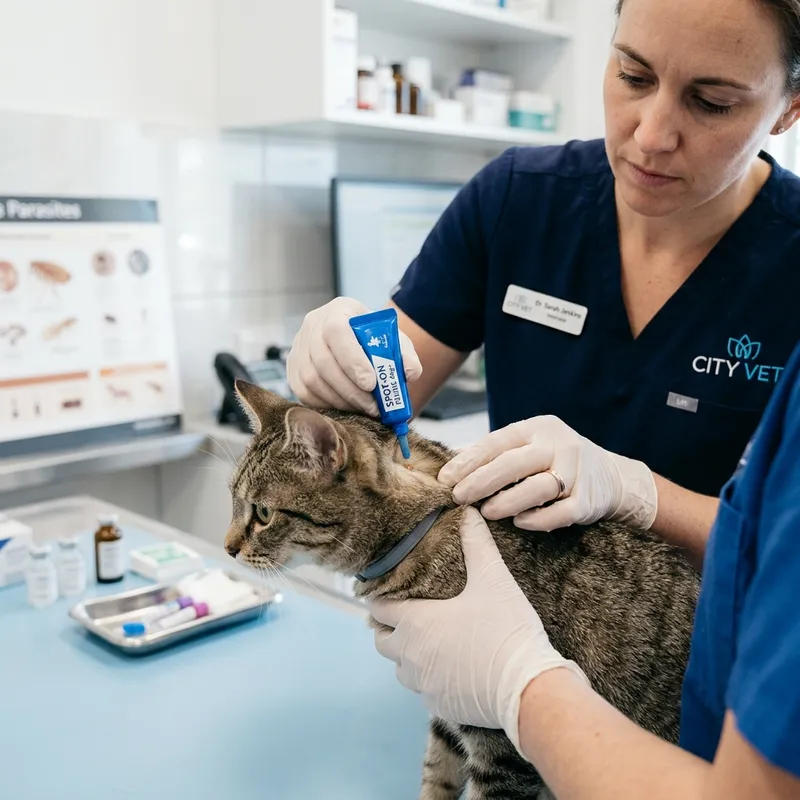
Spot-on treatments are liquid medications applied directly to the skin, usually between the pet’s shoulder blades, where they’re harder for the pet to lick off.
- How they work: The liquid is absorbed into the oil glands of the skin, spreading across the body. When pests bite, they ingest the active ingredient and die, typically within hours of contact.
- Pros: Fast acting (often kills fleas within 12 hours), waterproof after drying (usually within 24–48 hours), and ideal for pets that dislike wearing collars.
- Cons: Must be reapplied strictly every 30 days or protection gaps appear, and some pets experience temporary skin irritation at the application site.
Preventive Collars: Long-Lasting Convenience
Modern flea and tick collars are made of a polymer matrix that slowly releases low doses of active ingredients over several months.
- How they work: The chemicals spread through the lipid layer of the pet’s skin and coat, repelling pests before they bite rather than only killing them after contact.
- Pros: Provides continuous protection for up to 8 months, cost-effective over the long term, and low maintenance compared to monthly reapplication.
- Cons: Physical collar can snag on branches or fencing, may lose effectiveness if the pet swims frequently, and is not recommended for homes with multiple pets that play-bite each other’s necks, since ingesting collar material poses a risk.
Comparison at a Glance
| Factor | Spot-On Treatment | Preventive Collar |
|---|---|---|
| Duration | 30 days | Up to 8 months |
| Speed of action | Within 12 hours | Continuous, gradual |
| Water resistance | Yes, after drying | Reduced if frequently wet |
| Best for | Single-pet, low-water-activity homes | Multi-month convenience, low-maintenance owners |
| Watch out for | Monthly reapplication discipline | Snagging risk, multi-pet chewing |
Step-by-Step Solution: Choosing the Right Option for Your Pet
For pets that swim regularly or bathe often, spot-on treatments need closer monitoring since water exposure shortens their effective window, check the product label for the specific water-resistance timeframe. For multi-pet households where animals play closely together, collars carry a higher risk of one pet chewing on another’s collar, so spot-on treatments are often the safer choice. Highly active outdoor dogs that spend time in wooded or tall-grass areas benefit from the continuous barrier effect of collars, since reapplication gaps are more likely to be forgotten during busy outdoor seasons.
Prevention: Building a Year-Round Routine
Flea and tick exposure isn’t strictly seasonal in many climates, fleas can survive indoors year-round even when outdoor temperatures drop, and a single warm winter week can reactivate dormant flea eggs in carpet and bedding. Treat prevention as a continuous calendar item rather than something to start only when the weather warms up, and pair whichever method you choose with a quick visual coat check after every outdoor outing, focusing on the ears, neck, and between the toes where ticks commonly attach.
When to Seek More Help or Watch for Edge Cases
If you find an embedded tick, remove it promptly with fine-tipped tweezers, pulling straight up without twisting, and monitor the bite site for redness or swelling over the following weeks, contact your vet if you notice lethargy, fever, or joint swelling, which can indicate early tick-borne illness. Puppies, kittens, senior pets, or those with existing health conditions may need a different formulation or dosage than standard adult products, so always confirm weight-based dosing with your veterinarian rather than estimating. Combining flea and tick prevention with your pet’s broader vaccination calendar, covered in our kitten vaccination schedule and puppy first-year healthcare checklist, keeps all preventive care on a single, manageable timeline instead of separate appointments you might forget.
Quick Summary
- Fleas reproduce explosively, a few stray fleas can become a household infestation within weeks.
- Most tick-borne diseases need 24–48 hours of attachment to transmit, making daily checks effective.
- Spot-on treatments act fast but require strict monthly reapplication.
- Collars offer up to 8 months of continuous protection but carry snagging and multi-pet chewing risks.
- Choose based on lifestyle: water exposure favors spot-on, multi-pet households favor caution with collars.
- Prevention should run year-round, not just in warm months, since indoor flea eggs can reactivate anytime.
- Confirm weight-based dosing for puppies, kittens, and pets with health conditions.
Frequently Asked Questions
Can I use both a spot-on treatment and a collar at the same time?
Generally not recommended without veterinary guidance, since combining two active-ingredient products can increase the risk of overdose or skin irritation. Pick one method and use it consistently, or ask your vet about a different combination product designed for layered protection.
How quickly do fleas die after applying a spot-on treatment?
Most spot-on treatments begin killing fleas within a few hours and reach full effectiveness within 12 hours, though visible improvement in scratching may take a day or two as the existing flea population clears.
Are natural or essential-oil-based flea repellents effective?
Most natural repellents offer only mild, short-lived deterrent effects compared to EPA- or veterinary-approved products, and some essential oils (particularly tea tree oil) are actually toxic to cats. Stick to veterinarian-recommended products for reliable protection.
Do indoor-only pets need flea and tick prevention?
Yes, though the risk is lower. Fleas can be carried indoors on clothing, shoes, or other pets, and indoor cats that have any access to a balcony, porch, or window screen are still at some risk of exposure.
How long does a tick need to be attached before it can transmit disease?
Most tick-borne pathogens, including the bacteria that causes Lyme disease, require 24–48 hours of attachment before transmission occurs, which is why prompt removal after outdoor activity significantly reduces risk.
Calculate Custom Portions Instantly with Pati!
Want to keep track of your pet’s vaccination schedule and flea treatments? Download the Pati app. Our clinical-grade health tracking tools will ensure you never miss a dose. Download Pati App Now and keep your pet in peak shape!